BUYING GUIDE Frozen & Convenience Foods

What’s Really Inside the Frozen & Convenience Foods That Make Life Easier?


Uncrustables take one of the simplest lunchbox foods, a peanut butter and jelly sandwich, and turn it into a freezer-ready convenience food. The real question is how much changes in that transition. What Are You Actually Eating? The basic formula is still recognizable: bread, peanut butter and a fruit spread. But making the sandwich commercially, freezing it and keeping the texture consistent requires a more complex ingredient list than bread, peanut butter and jelly made at home.
Smucker’s Uncrustables: A Closer Look
Depending on the variety, that can include added sugars, vegetable oils, dough conditioners or other ingredients used to maintain texture and product consistency. The exact formulation varies by flavor, so the package label matters. The Peanut Butter & Jelly Question Peanuts still provide protein and unsaturated fat, but this isn't the same as pairing a minimally processed peanut butter with a low-sugar fruit spread. Both the sandwich bread and filling can contribute added sugar. That doesn't make an Uncrustable uniquely harmful. It does mean the familiar PB&J appearance can make the product seem simpler than its ingredient list actually is.
Is Frozen the Problem? Not really. Being frozen isn't what gives us pause. Freezing is a method of preservation and can reduce the need for other preservation methods. The better questions are what ingredients went into the sandwich before it was frozen, how much added sugar it provides, and how it fits into the rest of the meal. Where It Makes Sense Uncrustables earn points for practicality. They're individually portioned, require no preparation and can be useful for school lunches, travel, workdays or situations where refrigeration and meal preparation are inconvenient. For someone choosing strictly on ingredient simplicity, a homemade PB&J offers much more control over the bread, peanut butter and fruit spread. For someone prioritizing portability and speed, the tradeoff may be worthwhile. Maria's Bottom Line Convenience is the strongest selling point here, not nutritional superiority. Uncrustables are recognizable food packaged in a very convenient format, but the ingredient list and added sugars are worth checking rather than assuming a packaged PB&J is nutritionally identical to one made at home. Maria Approved It: 7.5/10 Best for: Convenience, packed lunches and occasional grab-and-go use. Consider instead: Whole-grain bread, peanut butter with peanuts as the primary ingredient, and a fruit spread with less added sugar when ingredient control matters most
Jimmy Dean Breakfast Bowl: A Closer Look The Jimmy Dean Bacon Breakfast Bowl is built around familiar breakfast foods: eggs, potatoes, bacon and cheddar cheese. It is filling, fast, and high in protein, but the nutrition label tells a more complicated story than the front of the box. What Are You Actually Eating? The bowl contains pre-cooked scrambled eggs, russet potatoes, bacon bits and shredded cheddar cheese. The ingredient list also includes soybean oil, modified corn starch, xanthan gum, artificial butter flavor, sodium phosphates, sodium erythorbate and sodium nitrite. None of those ingredients automatically makes the product a poor choice, but they help explain why this meal is more processed than making eggs, potatoes, bacon and cheese at home.
Jimmy Dean Breakfast Bowl:
A Closer Look
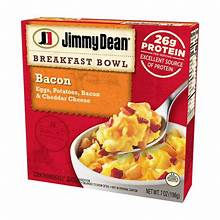
The Protein Is Real This bowl delivers **26 grams of protein**, which is one of its strongest features. It also provides calcium, iron and potassium. Where the tradeoff shows up is in the sodium and saturated fat. **What Gives Us Pause One 7-ounce bowl contains: **400 calories** **26 g protein** **910 mg sodium** **10 g saturated fat** **2 g fiber** **0 g added sugar** The sodium alone represents about **40% of the Daily Value**, while saturated fat reaches **50% of the Daily Value**. That is a sizable amount for a relatively small breakfast. The bacon is also cured with sodium nitrite, and the eggs contain several ingredients used for texture, stability and flavor rather than being simply cooked eggs. **Where It Makes Sense This is a genuinely convenient option for mornings when cooking is not realistic. It also provides significantly more protein than many grab-and-go breakfasts such as pastries, cereal bars or sweetened breakfast foods. The bigger issue is balance. Pairing it with fruit or another high-fiber food can round out the meal, while people who already eat a lot of sodium or processed meat may want to treat this as an occasional convenience option rather than an everyday breakfast.
**Maria's Bottom Line **The Jimmy Dean Bacon Breakfast Bowl does a good job at convenience and protein, but that convenience comes with a substantial sodium and saturated-fat load.** The food itself is recognizable, but several components are more processed than their homemade counterparts. **Maria Approved It: 6.5/10** **Best for:** A fast, protein-heavy breakfast when time is tight. **Consider instead:** Eggs, potatoes and cheese prepared at home when you want more control over sodium, fat and processed-meat ingredients. The better questions are what ingredients went into the sandwich before it was frozen, how much added sugar it provides, and how it fits into the rest of the meal.
Healthy Choice Café Steamers: A Closer Look Healthy Choice has built its name around frozen meals that sound like the more sensible option in the freezer aisle. The Grilled Chicken Pesto with Vegetables bowl does have several things going for it, but the word “Healthy” on the box should still be treated as branding, not a nutritional verdict. What Are You Actually Eating? This meal combines grilled white chicken, rotini pasta, zucchini, spinach and a basil pesto sauce. Healthy Choice reports 20 grams of protein and 3 grams of fiber per meal. That makes it more substantial than many frozen meals built mostly around pasta or sauce, and the chicken and vegetables are easy to identify rather than disappearing into a heavily blended filling. The Protein Is a Plus Twenty grams of protein is a meaningful amount for a single frozen meal. The bowl also includes vegetables instead of treating them as decoration around a large serving of pasta. That matters because a convenience meal should ideally do more than simply fill space. Protein, vegetables and some fiber give this one a stronger nutritional foundation than many freezer-aisle options.
Healthy Choice Cafe Steamer
Where It Makes Sense This works well as a quick lunch or light dinner when the alternative might be fast food, skipping a meal, or grabbing something with very little protein or produce. It may also work better when paired with fruit, a side salad, or another source of fiber if the meal alone does not feel filling enough. Maria’s Bottom Line This is one of the stronger convenience-food options we’ve looked at so far, but the label still deserves more attention than the brand name. The combination of chicken, vegetables, pasta and 20 grams of protein gives it a solid foundation. What keeps it from earning an automatic pass is that frozen entrées can vary considerably in sodium, sauce ingredients and fiber, even within thesame product line. Maria Approved It: 7.5/10 Best for: A quick lunch or light dinner with recognizable protein and vegetables. Keep in mind: Compare varieties within the Healthy Choice line rather than assuming every meal carrying the name offers the same nutritional profile.

Where We Still Look Closely The Healthy Choice name does not mean every product in the line is nutritionally identical. Sauces can contribute sodium, oils and other ingredients that are easy to overlook when the front of the package emphasizes chicken, vegetables and protein. Different Healthy Choice entrées also vary in fiber, sodium and overall ingredient complexity. So this is one of those products where reading the individual label still matters more than trusting the brand name alone. Is the Steaming Tray Useful? Yes. Café Steamers keep the sauce separate from the other ingredients while the meal cooks, then allow everything to be mixed together afterward. That is mainly a texture and preparation feature, not a health benefit, but it can help prevent the vegetables and pasta from sitting in sauce throughout the entire heating process.
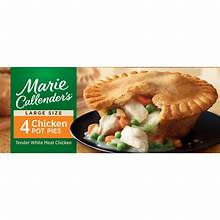
Marie Callender’s Chicken Pot Pie leans heavily into the idea of classic comfort food. And to be fair, the filling does contain recognizable ingredients: white-meat chicken, carrots, peas, celery, broth, and a wheat-flour crust. But this is one of those products where the comforting appearance can make the nutrition profile easy to underestimate. What Are You Actually Eating? The filling begins with chicken broth and cooked white-meat chicken, followed by carrots, peas, water, modified corn starch, and celery. The chicken itself is not simply plain cooked chicken. The ingredient list shows that it also contains water, isolated soy protein, modified potato starch, corn starch, carrageenan, soy lecithin, dextrose, salt, and flavoring. The crust is made primarily from enriched wheat flour and interesterified soybean oil rather than butter or a simpler fat-and-flour formulation.
Marie Callendar's Chicken Pot Pie:
A Closer Look
There Is Real White-Meat Chicken That deserves credit. This is not a product where the “chicken” is simply flavoring or an unidentified meat mixture. Marie Callender’s specifies white-meat chicken, and the filling also contains recognizable vegetables. A 10-ounce pie also provides about 17 grams of protein. Where the Numbers Get Heavy One 10-ounce pie contains approximately: 600 calories 32 g total fat 960 mg sodium 17 g protein 4 g fiber 6 g total sugar The sodium is the number that stands out most. At 960 mg, one pot pie provides about 42% of the Daily Value for sodium. For a single meal, that is a substantial amount, particularly for someone whose other meals or snacks that day are also high in sodium. The Crust Changes the Equation Chicken, vegetables, and gravy can sound fairly straightforward. The crust is what helps turn this into a much more calorie-dense meal. That does not make the crust inherently “bad,” but it is important to recognize that a pot pie is not nutritionally equivalent to a bowl of chicken and vegetables simply because those same foods appear inside it. The pastry adds a significant amount of refined flour and fat to the meal.
Where It Makes Sense This product does exactly what a frozen pot pie is supposed to do: provide a warm, filling, single-serving comfort meal with almost no preparation. It also offers more protein and recognizable vegetables than many highly processed snack-style convenience foods. The tradeoff is that the sodium, calorie load, fat, and more complex ingredient list make this a meal I would view more as an occasional convenience food than an everyday lunch or dinner. Maria’s Bottom Line Marie Callender’s gets credit for real white-meat chicken, recognizable vegetables, and a satisfying portion, but the nutrition profile is much heavier than the simple chicken-and-vegetable appearance suggests. The biggest concern for us is not that this is frozen. It is the combination of high sodium, a rich crust, and a fairly complex ingredient list. Maria Approved It: 6.5/10 Best for: An occasional comfort-food meal when convenience matters. Keep in mind: One 10-ounce pie already contains about 42% of the Daily Value for sodium, so the rest of the day’s food choices matter.
Rao’s Meatballs & Sauce: A Closer Look
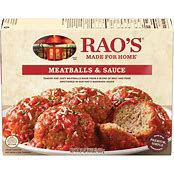
Rao’s has built a premium reputation around simple Italian-style ingredients and a short, recognizable sauce list. Their frozen Meatballs & Sauce mostly follows that same pattern, with a beef-and-pork meatball blend served in Rao’s marinara. What Are You Actually Eating? The meatballs are made with pork, beef, water, breadcrumbs, Romano cheese, salt, spices, garlic, whole egg, and parsley. The sauce side is equally straightforward: Italian tomatoes, tomato puree, soybean oil, onions, salt, garlic, olive oil, and spices. That is a relatively recognizable ingredient list for a frozen prepared meal. The Meat Is Real and Clearly Identified This is one of the stronger points. Rao’s identifies the meat as a blend of pork and beef, rather than using vague wording such as “meat product” or relying heavily on fillers. The breadcrumbs, cheese, egg, and seasonings are also ingredients you would expect to find in a traditional meatball recipe.
What Gives Us Pause A 2/3-cup serving contains approximately: 200 calories 13 g protein 13 g total fat 4.5 g saturated fat 720 mg sodium 2 g fiber 0 g added sugar The sodium is the biggest caution. One serving provides about 31% of the Daily Value for sodium. And because the package contains about 4.5 servings, portion size matters. It would be easy to eat considerably more than one serving if this becomes the center of the meal. One Ingredient Worth Noticing The sauce contains both soybean oil and olive oil. That is not automatically a problem, but it is worth pointing out because Rao’s jarred sauces are often associated with a simpler olive-oil-forward ingredient profile. The frozen version is not identical to opening a jar of Rao’s marinara and adding homemade meatballs.
Where It Makes Sense This is a solid option for someone who wants a freezer meal built around recognizable ingredients and real meat, especially when compared with heavily processed meatball products that rely more extensively on fillers and flavor systems. Add pasta, vegetables, or a salad and it can easily become a complete meal. The main thing to watch is sodium, especially if the meatballs are served with salty cheese, garlic bread, or another prepared side. Maria’s Bottom Line Rao’s does a lot right here. The ingredient list is fairly straightforward, the meat is clearly identified, and there is no added sugar. The sodium keeps it from being an automatic everyday choice, but among frozen meatballs, this is a stronger option. Maria Approved It: 8/10 Best for: A higher-quality frozen meatball option with recognizable ingredients. Keep in mind: The premium ingredient profile does not make it low-sodium. One serving still provides about 31% of the Daily Value. Maria Approved It: 6.5/10 Best for: An occasional comfort-food meal when convenience matters. Keep in mind: One 10-ounce pie already contains about 42% of the Daily Value for sodium, so the rest of the day’s food choices matter.
Let us know which frozen & convenience foods you would like to see here.